
A new paradigm in philanthropy: Embracing innovation in grantmaking
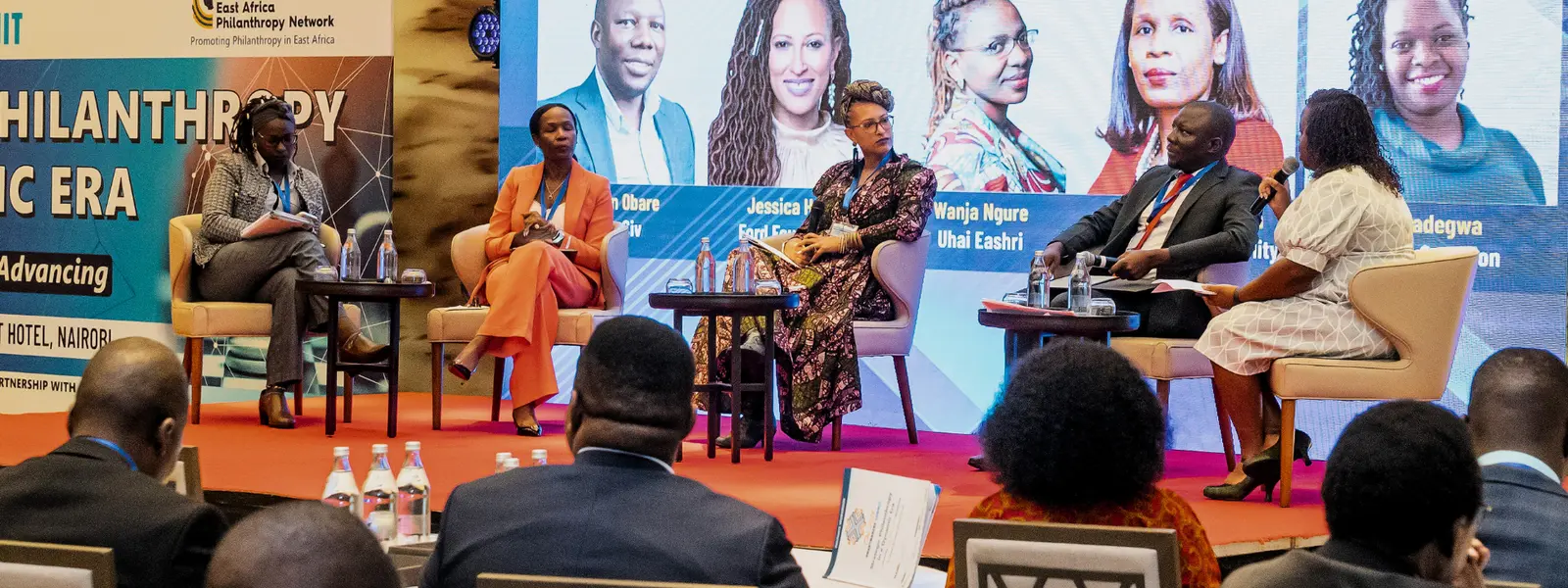
Photo by East Africa Philanthropy Network (EAPN)
By Purity Mumo, Communications, Knowledge & Learning, East Africa Philanthropy Network (EAPN)
Reflecting on the 2024 Grantmakers Summit — themed ‘Strategic Philanthropy in a Dynamic Era’— the call for a renewed approach to philanthropy is clearer than ever. The summit, held in Nairobi by the East Africa Philanthropy Network (EAPN), catalysed introspection within the sector, challenged entrenched approaches and spurred a dialogue around innovative methodologies that redefine philanthropy. As we distil these insights from the summit, we must chart a course that embraces them and examine their implications in the broader context of sustainable development and societal equity.
Historically, philanthropy has often taken a paternalistic approach to grantmaking, distributing funds based on predetermined criteria that rarely shifted to accommodate the fluid realities of societal needs. While providing structure and predictability, this static model frequently fell short in its ability to address the dynamic and unpredictable challenges that define our global landscape, such as climate change, global health crises, and social injustices. The advent of more agile and responsive giving vehicles—such as donor-advised funds1 and impact investing instruments2—represents a significant evolution from this traditional framework. These tools have expanded the collection of philanthropic strategies and introduced a new paradigm wherein the efficacy of philanthropic investments is measured by their tangible impacts rather than their intentions alone.
Adopting these innovative giving models requires a reevaluation of the traditional roles of philanthropic organisations. No longer just benefactors, philanthropy organisations are now architects of change, tasked with constructing a resilient and responsive ecosystem. This transformation rests on the sector’s ability to forge robust partnerships across the public and private sectors, leveraging collective expertise and resources to amplify impact. Moreover, the rise of impact investing and social bonds illustrates a shift towards a more integrated approach to philanthropy that aligns financial investments with social goals, blurring the lines between philanthropy and investment. The Global Philanthropy Report provides an in-depth analysis of current trends and future directions in philanthropy.
However, this integration also introduces new challenges, particularly in balancing financial returns with social outcomes. The emerging models necessitate a nuanced understanding of risk and reward across financial and philanthropic landscapes. This shift challenges the traditional dichotomy where philanthropy was solely concerned with social good without expecting financial return, and investments were focused purely on financial gain, often at the expense of social impact. Now, philanthropic organisations must navigate this complex terrain, ensuring their investments are financially viable and significantly contribute to societal well-being. This dual focus demands robust financial acumen and a commitment to ethical practices and social responsibility.
Additionally, the sector must address the systemic barriers that hinder equitable access to philanthropic resources. Such barriers include regulatory restrictions, lack of awareness about available funding, and biases towards funding well-established organisations over emerging initiatives. The Facilitating Equitable Systems Change report offers an extensive analysis of these barriers and the innovative strategies to mitigate them. It highlights how the sector can overcome regulatory, operational, and bias-related challenges to foster a more inclusive environment. The emergence of fiscal sponsorship models and the support for grassroots and unregistered entities are critical developments in this regard. These models provide a necessary infrastructure to support initiatives that may otherwise be excluded from traditional funding mechanisms due to their informal or nascent nature.
Emphasising equity and community-centric initiatives aligns with strategic foresight and embodies a moral imperative that echoes the core principles of justice and sustainable development. By empowering communities to guide the initiatives that affect their lives, we invest in projects and the agency of those communities. This approach ensures that our efforts are deeply rooted in their realities and varied needs, enhancing relevance and responsiveness.
Sustainability is another key element of community-led initiatives closely tied to local ownership. By involving community members in the inception, design, and execution of projects, these community-centric initiatives help foster a sense of responsibility and connection to the outcomes. This involvement increases the likelihood of long-term sustainability because the community values the initiative enough to maintain and scale it, even after the initial funding cycle has ended. In this context, sustainability encompasses building enduring systems and structures that continue to benefit the community well into the future.
Moreover, the focus on equity within philanthropy empowers and builds capacity at the grassroots level. By redistributing power and resources more equitably, we strengthen local governance and enhance the capabilities of community leaders and organisations. This empowerment leads to a more vibrant civil society equipped with the tools and confidence to address local issues effectively. It’s about building structures for communities to design and sustain their development.
Finally, advancing social justice through philanthropy requires a deliberate focus on reducing inequalities, which community-led and equity-focused initiatives directly address. These efforts are crucial in dismantling systemic barriers that marginalise underrepresented groups, ensuring that every segment of the population can access the opportunities and resources necessary for a dignified life. This approach patches symptomatic issues—such as temporary relief for food insecurity, short-term housing solutions, and emergency medical aid—and delves more profoundly into challenging and changing the underlying structures perpetuating inequality, such as unequal access to education, systemic discrimination, and economic disparities. In doing so, philanthropy can transform from a simple aid mechanism into a powerful tool for social justice, actively participating in creating a more equitable society.
_______________________________________________
1. Donor-advised funds (DAFs) are philanthropic vehicles that allow donors to make a charitable contribution, receive an immediate tax benefit, and then recommend grants from the fund over time.
2. Impact investing instruments are investments made with the intention to generate positive, measurable social and environmental impact alongside a financial return.

Purity oversees Membership and Stakeholder Engagement at the East Africa Philanthropy Network (EAPN), where she spearheads strategic initiatives to enhance and expand the network’s influence across multiple sectors. In this capacity, Purity plays a crucial role in cultivating and sustaining relationships integral to advancing EAPN’s mission of fostering a vibrant and impactful philanthropic landscape in East Africa.
To get first access to our blogs every month, subscribe to our newsletter here.