Field Initiatives > Mapping Philanthropy Support Ecosystems
Making philanthropy systems
visible so they can be strengthened
You cannot strengthen what you cannot see.
Philanthropy does not operate in isolation. It depends on relationships, organisations, networks, and other actors that help mobilise resources, share knowledge, strengthen practice, and coordinate collective action. Together, these actors form what WINGS calls the philanthropy support ecosystem.
In many contexts, these ecosystems are fragmented, under-recognised, or only partially visible. Through participatory mapping and engagement, WINGS works with local actors to better understand how ecosystems function, where strengths already exist, and highlight opportunities to improve connections, coordination, and investment.
This work helps create a shared understanding of the ecosystem, making it easier to identify gaps, build relationships, mobilise support, and strengthen the conditions that allow philanthropy to thrive.
Why mapping matters
Mapping is not just about information. It is about helping philanthropy become more connected, coordinated, and responsive to local realities. It is the first step in building and strengthening the support ecosystems needed for philanthropy to thrive. It is a catalyst for change.
When ecosystems are visible:
- actors can connect and coordinate more effectively
- funders can make better, more strategic investments
- policymakers can understand how philanthropy functions
- the field can identify gaps, avoid duplication, and act collectively
When ecosystems are invisible, philanthropy operates in isolation, limiting its reach, coordination, and effectiveness.
What mapping does
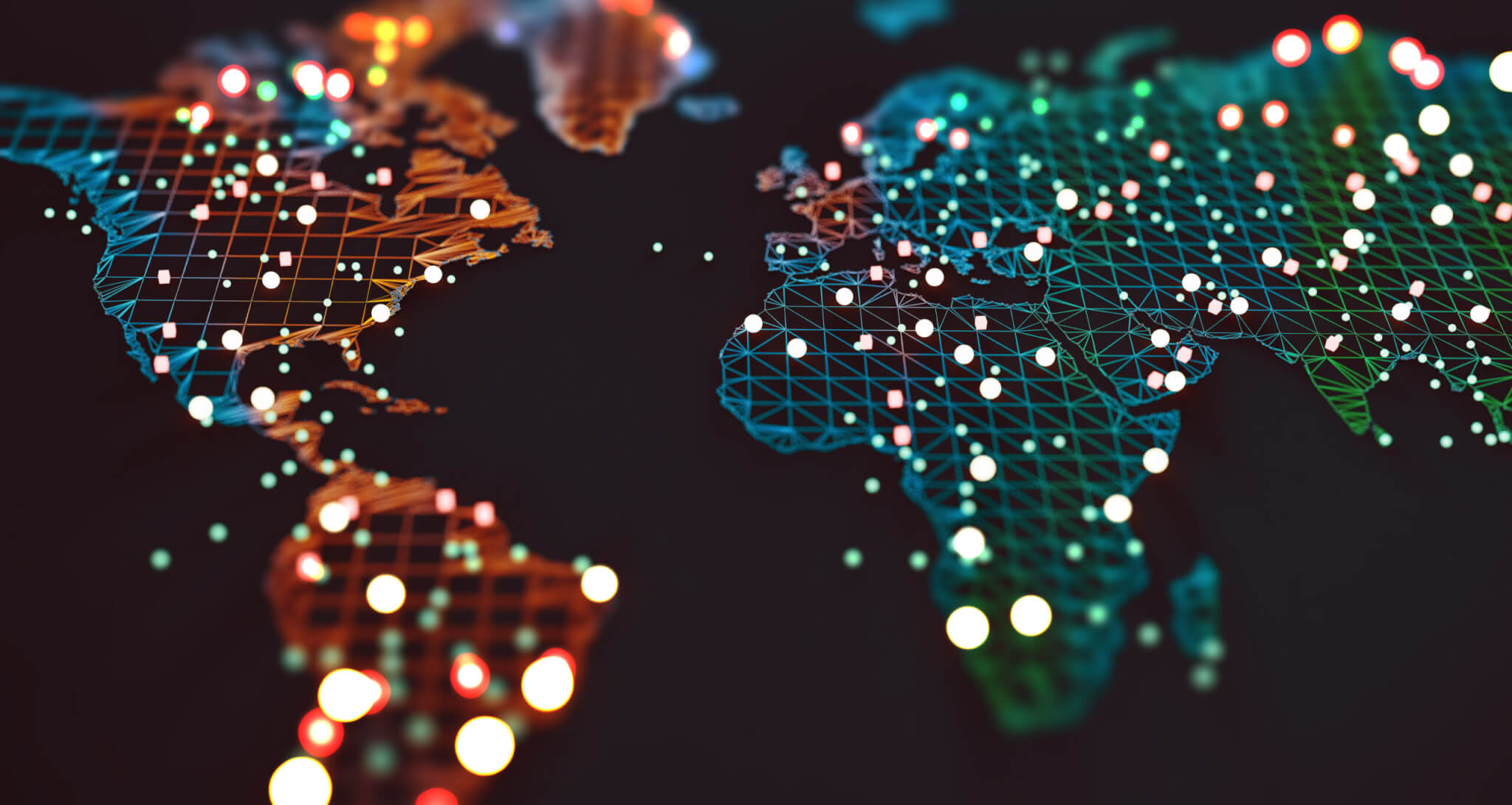
Mapping provides a structured view of the ecosystem, showing who is involved, what organisations do, and how they relate to one another.
It gives philanthropy support organisations, funders, and policymakers the evidence they need to plan, invest, and coordinate.
When ecosystems become clear, they become possible to strengthen.
What WINGS does
WINGS works with local partners to design and deliver participatory ecosystem mapping processes across countries and regions. These processes help organisations identify shared priorities, strengthen coordination, and build roadmaps for action.
Each mapping goes beyond research. It brings organisations together to:
Identify
who is part of the ecosystem and how they connect
Surface
strengths, gaps, and opportunities
Build
a shared understanding of the field
Co-create
priorities and roadmaps for strengthening the ecosystem
This approach is grounded in WINGS’ Lift Up Philanthropy methodology, developed and tested across regions including Africa, Latin America, and Asia-Pacific.
A typical mapping includes:
- A documented landscape of ecosystem actors and their roles
- Visual maps showing how organisations connect
- Analysis of collaboration, coordination, and gaps
- Assessment of enabling and restrictive conditions
- Practical recommendations and roadmaps for action
What this looks like
Mapping is not a standalone exercise. It is the starting point for ecosystem building.
In practice, this can lead to:
- New networks and collaborations emerging across regions
- Shared strategies and roadmaps for strengthening philanthropy
- Better coordination between funders and ecosystem actors
- New platforms, partnerships, and funding mechanisms
- Stronger evidence to support policy and investment decisions
Across regions, from West Africa to Latin America to the Pan-Amazon, mapping has helped catalyse new infrastructure, partnerships, and long-term ecosystem development.
Mapping is a foundational part of WINGS’ broader work to strengthen philanthropy support ecosystems, informing and strengthening initiatives across:
Building the Philanthropy Support Ecosystem (shared language and concepts)
Philanthropy Transformation Initiative (how philanthropy operates)
Enabling Environment (the conditions that shape the field)
Connect with us
For members
For funders
- identify where investment is most needed
- reduce duplication and fragmentation
- strengthen local ecosystems and long-term sustainability
- unlock new pathways for resources to reach communities