
Philanthropy’s hidden history: Exploring wealth origins
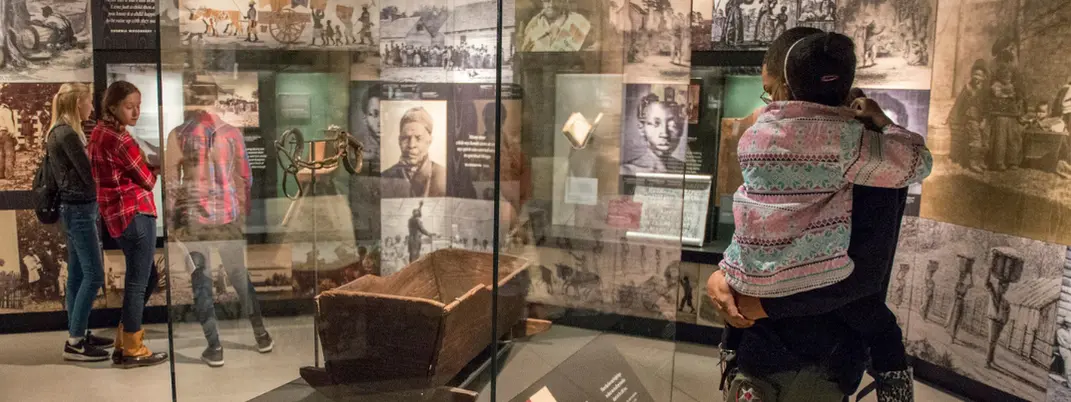
Photo by Tim Brown/ GPA Photo Archive on Flickr
By Catherine Seymour, Director of Policy, Practice and Research at ACF
In June 2024, ACF launched the ‘Origins of Wealth’ toolkit to guide foundations exploring their wealth origins for connections with the transatlantic trafficking of enslaved African peoples. The toolkit was commissioned with funding from the Barrow Cadbury Trust.
A shift towards transparency in institutional wealth
In the last few years, exploring institutional wealth connections to historical enslavement in the UK has moved from being seen as niche or radical to becoming mainstream practice.
In addition to charitable foundations, other institutions in the UK are seeking to explore, acknowledge, and address connections to systems of oppression like enslavement and colonialism, and where their money originally came from. Other institutions include banks, universities, the Church of England, and even the Royal family.
So, it feels timely to share our recent ‘Origins of Wealth’ toolkit with the WINGS network and invite your reflections on this topic. How does the issue of wealth origins resonate within your philanthropic circles? If you operate in a country that was active in historical enslavement and forced labour practices in colonised territories, how might this apply to your foundation? If you are part of a nation or people directly affected by historical transatlantic trafficking and colonialism, how do you feel about the current approaches to addressing these issues?
A resource to support our members’ work
ACF is the leading membership association for foundations and independent grantmakers in the UK. Our members include 450 trusts and foundations, giving over £6 billion in grants annually.
The ‘Origins of Wealth’ toolkit was produced in response to requests from our members. Member foundations wanted to share learnings with peer organisations on a similar journey to discover wealth origins, build capacity within the sector, and demonstrate the importance of this topic to charitable foundations.
We developed the toolkit with support from a reference group of ACF member foundation leaders and subject matter experts.
Historical context and present-day implications
Acknowledging the historical context of wealth accumulation is essential to understanding today’s racial justice movements. In the UK and elsewhere, such movements seek justice, redress and repair for the structural racism ingrained in our society. Many of our member foundations are working to end these systemic issues, such as inequalities in wealth, access to land, education, housing, employment and the criminal justice system.
Research by Lancaster University examined organisations with financial connections to historical enslavement that are still operating today. The research found that charities dominate the list. Given the sheer volume of wealth accumulated in Britain at the height of the transatlantic trafficking of enslaved people, it’s likely that considerable philanthropic money from this time is connected to profits from the trafficking of enslaved people. Many foundations with healthy endowments have continued to operate in perpetuity.
Importantly, foundations are better equipped to act than many other institutions with historical wealth ties to enslavement. A charitable foundation’s purpose is to use its assets to further its mission: some of ACF’s member foundations have pivoted investment and/or grantmaking strategies to address some of the legacy harms from the origins of their wealth.
Philanthropy’s role in addressing systemic inequalities
The philanthropic world reflects broader societal inequalities rooted in historical injustices. These past wrongs continue to shape the present, particularly impacting Black and other marginalised communities. The effects are far-reaching, influencing generations and communities. As foundations work towards equity, they’re beginning to acknowledge how these historical legacies affect modern wealth distribution.
As Esther Xosei, Director of Maangamizi Educational Trust and an expert member of ACF’s reference group for this work, aptly notes, “The significance of addressing these legacies is not confined to history books, it resonates vividly in the present”.
Practical guidance for foundations
The toolkit sets out the historical and present-day context in which many foundations and other institutions are choosing to research and publish connections between wealth origins and money from enslavement and make changes as a result. It provides practical guidance for foundation boards to hold conversations, understand the relevance of their organisation, and make decisions about the right path for them.
You’ll also find detailed advice on commissioning the research work, suggestions for communicating your intentions internally and externally, and an overview of actions you might want to consider as a result.
And whilst exploring the origins of wealth may be increasingly mainstream in the UK, it remains a polarising issue within the wider debate. The toolkit also provides advice on navigating this polarity, including potential media interest in the work. In short, focus your efforts on the audiences most important to your mission.
As foundations explore their history and the impact of this history, it’s crucial to recognise that this journey may resonate differently with team members from global ethnic majority backgrounds, necessitating thoughtful leadership and a supportive environment for all staff.
Throughout the toolkit, we offer examples of work and reflections from ACF members who are already working in this space, including advice on how to support your staff and trustees (and yourself) during your own journey.
Key lessons we share in our toolkit include:
- Be ready with support for your team. Our members valued culturally appropriate coaching or counselling for staff and trustees.
- Prioritise regular check-ins with global majority team members. Remember everyone will respond in different ways to this journey.
- Shore up workplace policies for identifying and dealing with racist or discriminatory incidents.
A call for global engagement
We hope our toolkit reaches a wide audience among philanthropy organisations globally, sparking open and rich discourse on these important issues. Our aim is to create a greater understanding of the relevance of historical enslavement to the issues important to many philanthropic organisations today.
_______________________________________________
The importance of language in discussing historical enslavement: You’ll notice I talk here about ‘the transatlantic trafficking of African peoples’ and ‘historical enslavement’ rather than ‘slavery’ and the ‘slave trade’. As I learned from working with experts in the field, choosing sensitive language honours the dignity of those affected and fosters empathy and understanding. Terms such as ‘slave’ reduce identity to mere property, perpetuating dehumanisation. You’ll find more about this in our toolkit.

Catherine Seymour, Director of Policy, Practice and Research at ACF
In her role as the Director of Policy, Practice and Research at ACF Catherine shapes ACF’s thought leadership on the contribution of foundations to wider society. She works with stakeholders to ensure a positive operating environment for foundations and is responsible for promoting the foundation model of philanthropy and demonstrating the positive impact of our members though our policy, research and media work.
To get first access to our blogs every month, subscribe to our newsletter here.