Climate finance: Earning trust through consistent reporting
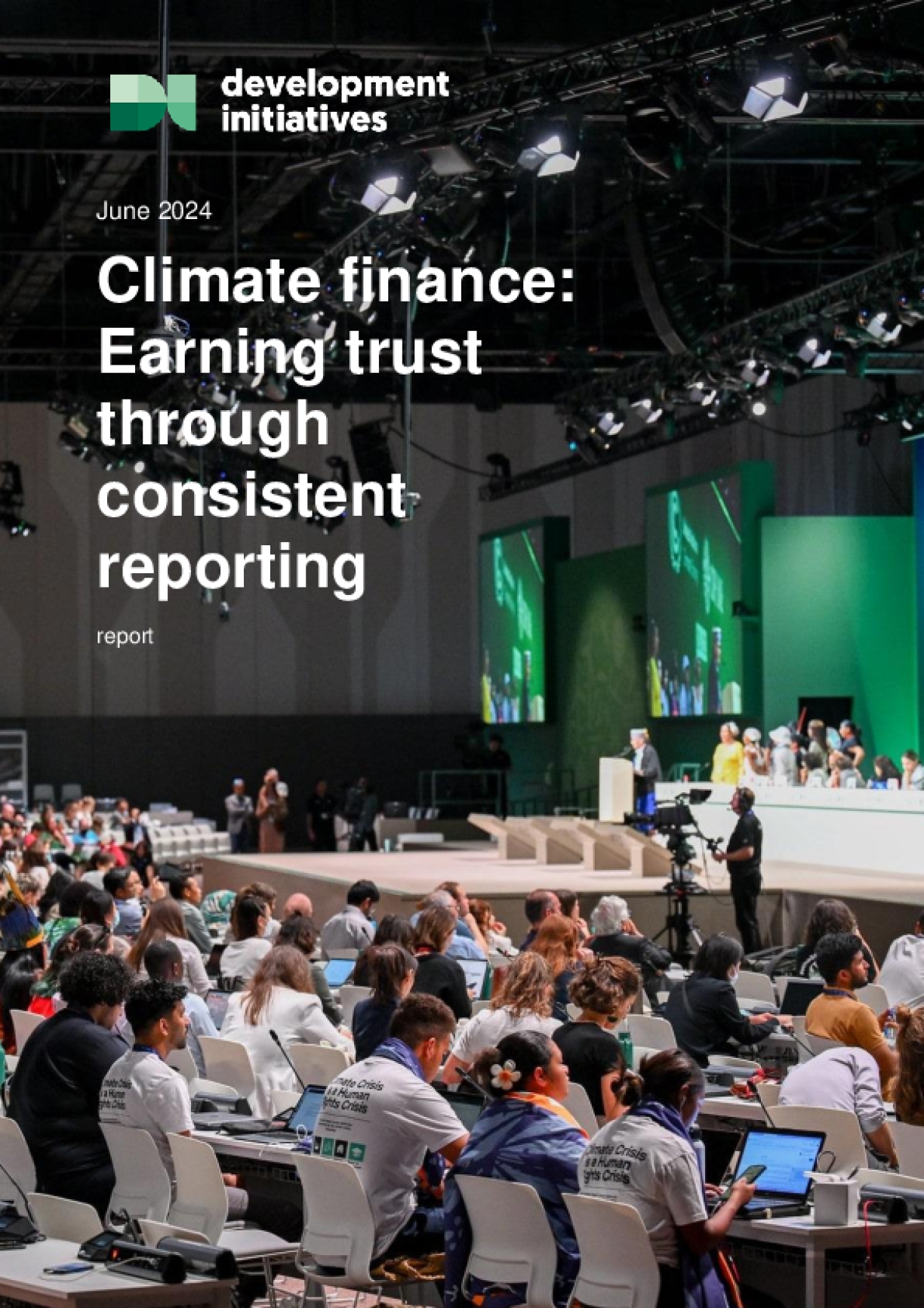
What is climate finance? Despite the importance of this question, and recent claims that developed countries have reached the goal agreed in 2009 to provide US$100 billion of climate finance, there is no agreement on how it should be defined. This has not only led to doubts about the true value of finance raised, but also contributed to a breakdown of trust between developed and developing country Parties to the United Nations Climate Change Convention (UNFCCC). This year the Parties come together to agree on the New Collective Quantified Goal (NCQG) to replace the US$100 billion goal, and the question of how progress towards it should be measured must be at the centre of the debate, not an afterthought. This report combines insights from climate finance experts (from national governments, the OECD, UNFCCC and civil society organisations), as well as analysis from Development Initiatives (DI) to highlight where consistency is lacking in climate finance reporting – over time, within and between donors. It sets out recommendations that we hope will help providers adopt the best-practice practical steps they can take to drive consistency in their reporting and help build a trusted and transparent climate finance data system. These include: greater consistency in how climate finance is defined and reported, better shared review and auditing processes, better reporting on impact, to build a stronger understanding of whether funding is enough and well targeted, and approaches to remove the capacity constraints that might limit the implementation of these changes. It will also be of interest to countries that themselves receive climate finance and advocates looking to ensure the system works for everyone, focusing minds on the first-best solution to the problem: a single clear definition, supported by a transparent reporting system.