Regional Strength, Collective Impact: Advancing Philanthropy Across Africa, Asia-Pacific and Latin America and the Caribbean
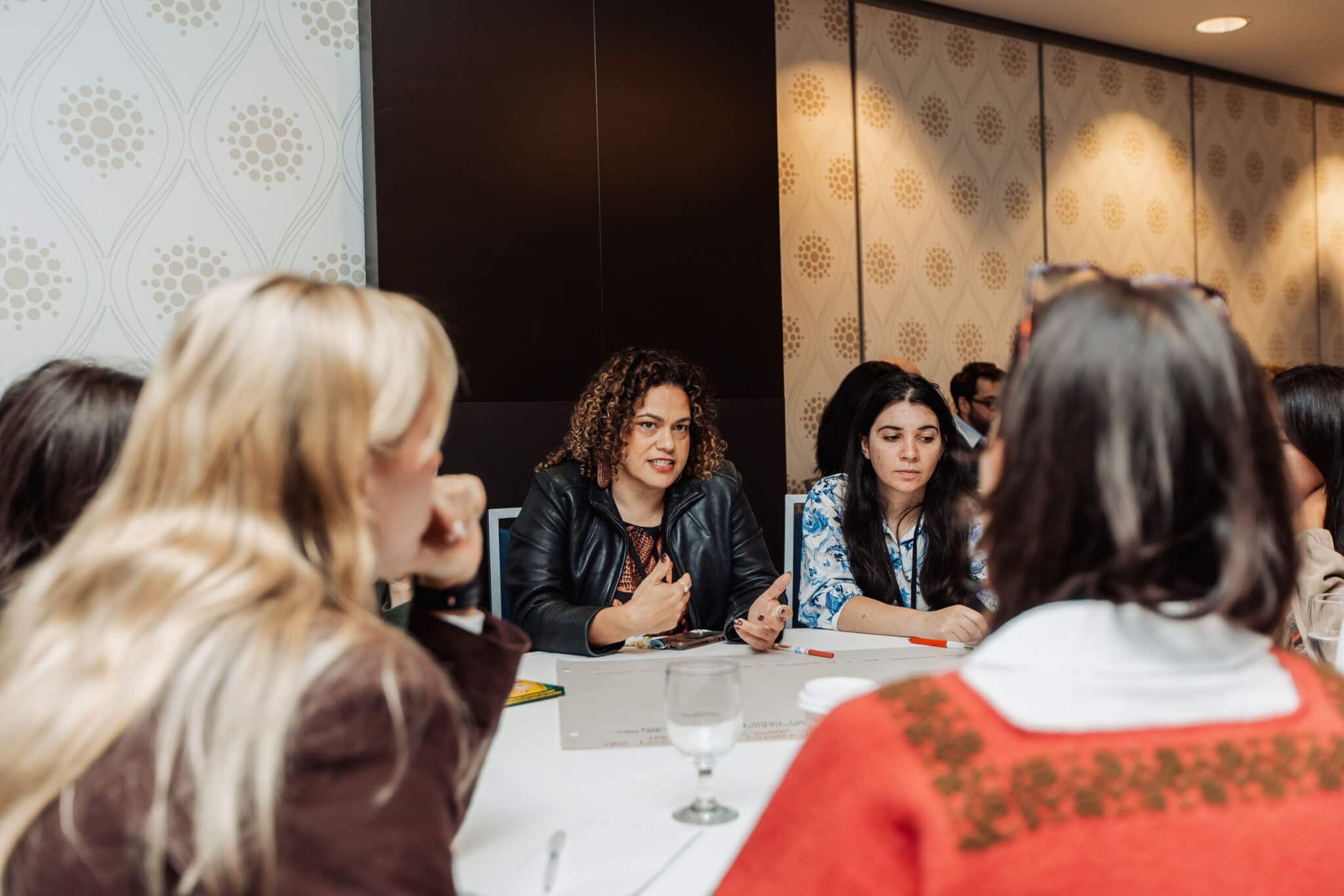
Photo by: Ola Photos
Reflections from the Co-Chairs of the WINGS Africa, Asia and the Pacific and Latin America and the Caribbean Working Groups
Across Africa, Asia and the Pacific and Latin America and the Caribbean, philanthropy support organisations are finding new ways to strengthen local giving, build partnerships and support the development of philanthropy. Their contexts differ, but many of the challenges they face are shared, and so are the opportunities to learn from one another and address them together.
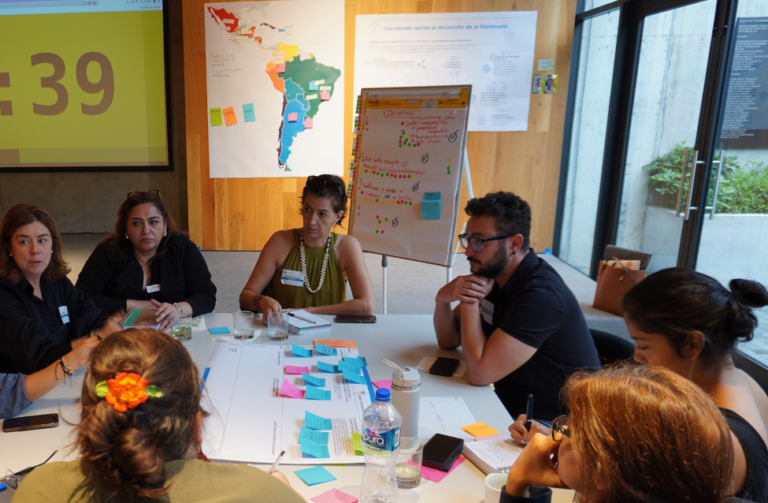
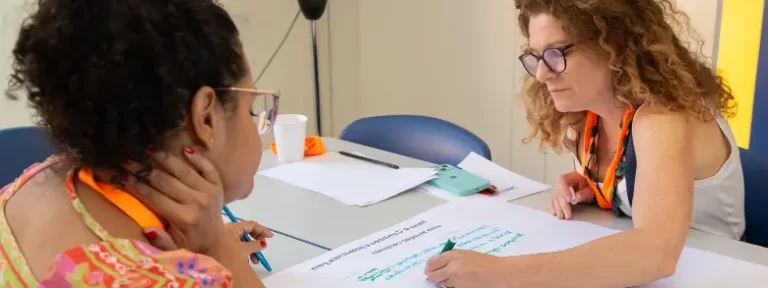
At WINGSForum 2026 in Montreal, Canada, for the first time, members of the WINGS Africa, Asia and the Pacific, and Latin America and the Caribbean Working Groups came together in a dedicated cross-regional meeting to reflect on our shared challenges, learn from our different experiences and explore how we can work more closely together. Despite our different histories, cultures of giving and philanthropic traditions, we recognised striking similarities in the challenges we face, and the opportunities to address them together.
Our conversations, in the dedicated session and across WINGSForum 2026, revealed a powerful, shared message: we already have valuable knowledge, experience, and solutions within our regions. The task is to connect them, learn from each other and turn that learning into action.
Different regional realities, common challenges
During our discussions, three common challenges stood out:
- Fragmented knowledge and evidence: Research, data and practical experience often remain disconnected, making it harder to learn from successful approaches.
- Underinvestment in philanthropic infrastructure: The networks and organisations that connect philanthropic actors, generate knowledge and strengthen local ecosystems often lack sustained resources.
- Increasing pressure on civic space: Changing regulations, restrictions, and negative narratives about civil society and philanthropy create challenges to our legitimacy and our ability to grow giving.
These challenges resonated across regions, even as the way they show up may differ. Our regional working groups are already responding to these challenges in ways that offer valuable opportunities for cross-regional learning and action:
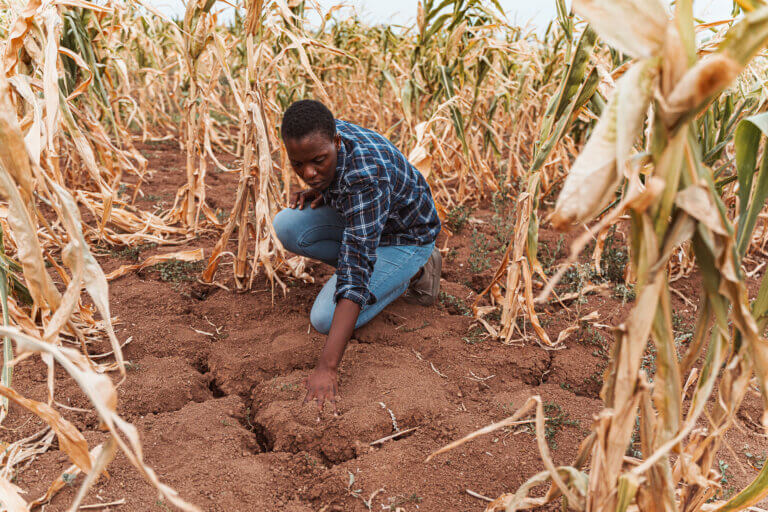
- For example, in Africa, knowledge infrastructure remains underdeveloped or fragmented, which means that African giving is underrepresented and often mischaracterised in global conversations. In response, the Africa Working Group has created a “Circle of Collaboration on Knowledge, Learning & Data for Philanthropy” in which members collaborate to strengthen the production, sharing, and use of data and evidence to elevate the visibility and impact of African philanthropy.
- In Asia and the Pacific, there is significant untapped giving potential which requires investment in stronger, well-connected, and coordinated philanthropic ecosystems to fully realise its scale, diversity, and collaborative potential. The Asia and the Pacific Working Group has created a roadmap to strengthen the case for investment and evidence the impact of stronger infrastructure.
- In some countries in Latin America and the Caribbean, philanthropic actors can build relationships with public agencies, local governments or multi-stakeholder platforms; in others, restrictive rules, mistrust of foreign funding, political turnover or weak civic space sharply limit their options. Cross-border giving was also identified as a critical issue the working group should explore. In response, the group decided to create a LAC Enabling Environment Committee to ensure a stronger focus on these issues in future.
These region-specific approaches can learn from each other. For example, the Africa Working Group and the Asia and the Pacific Working Group also have a collaboration circle on data, and both have been working on questions of the enabling environment for the last year. These regional initiatives connect to global working groups that are addressing these issues under the WINGS architecture, like the Enabling Environment and the Researchers, Academics and Data Enthusiasts Working Groups; spaces where cross-regional perspectives help inform global approaches. By connecting these efforts, regional groups can share approaches, avoid duplicating work and bring a wider range of experiences into global discussions on philanthropic infrastructure and the enabling environment.
In addition to the meeting at WINGSForum, we also had the chance to come together in our regional working groups, with the Asia and the Pacific group meeting in New Delhi in August, the Latin America and the Caribbean members meeting just ahead of WINGSForum in Montreal in September, and the Africa working group reconvening in Accra in November. At these meetings, we discussed these and other context-specific challenges and determined our collective agenda for the next year and beyond.
These different approaches show how much experience already exists within our regional networks. Connecting that experience across regions gives us an opportunity to tackle shared challenges without losing sight of the local contexts that shape our work.
From shared challenges to cross-regional action pathways
We don’t need to start from scratch. Across the WINGS network, members are already developing approaches to challenges others are facing as well. By sharing what works, where challenges remain and what we’ve learned along the way, we can build on each other’s experience rather than working in isolation. At WINGSForum, we identified three priorities to advance this work through a Cross-Regional Action Pathway.
- Sharing knowledge and evidence across regions
Our first priority is to strengthen the ways we document, share, and learn from each other across regions.
We want to make it easier for members to find, share and use research, practical examples and lessons from across our regions. This will help ensure that different philanthropic traditions and experiences inform how we respond to shared challenges. This could take the form of a repository of information that each working group can add to and access, as well as a periodic synthesis and analysis of new publications from the regional membership. We are also interested in strengthening the exchange between researchers and practitioners, and look forward to connecting with other relevant global WINGS working groups.
- Strengthening connections and learning across regional working groups
Our second priority is to create more regular, intentional opportunities for such cross-regional exchanges.
Regular exchanges and peer learning can help members build relationships, share approaches to common challenges and identify opportunities to work together. These connections also build the trust needed for longer-term collaboration. One possibility is to organise regular virtual exchanges, with opportunities to meet in person at future WINGSForums.
- Mobilising resources to sustain meaningful collaboration
Meaningful cross-regional collaboration requires sustained investment. We aim to mobilise partnerships, funding and institutional support to maintain these connections and develop joint initiatives. Sharing regional cases for support and approaches to measuring impact could be a useful starting point.
WINGS can help connect regional initiatives, share knowledge and create opportunities for members to work together across regions. But this work must be shaped by the priorities and leadership of regional philanthropy support organisations themselves. Our role is to help make those connections possible, not to determine what each region needs.
The strength of our collective work will depend on our ability to combine a global perspective with local ownership, recognising that the most meaningful solutions often emerge from within communities and ecosystems.
An invitation to turn shared priorities into shared action
The cross-regional meeting at WINGSForum 2026 was a starting point. Our next task is to build on the relationships and priorities that emerged, creating more opportunities for regional organisations to learn from one another and work together.
We invite members across the WINGS network to contribute in two ways:
- Share your knowledge and experience. If you have research, practical examples or approaches that others could learn from, help us bring them into the conversation.
- Help connect and resource this work. If you are part of a regional network, can introduce partners across regions, or can contribute resources and expertise, we would welcome your involvement.
As co-chairs of the three regional working groups, we want to see this collaboration grow into something lasting: stronger regional networks, more opportunities to learn from one another, and greater recognition of the knowledge and leadership that already exist within our regions.
The opportunity now is to turn these shared priorities into collective work that makes a difference for philanthropy across our regions.
Africa: Catherine Mwendwa, GivingTuesday Africa Hub, Ibrahim-Tanko Amidu, StarGhana Foundation, Louise Driver, Independent Philanthropy Association of South Africa (IPASA) ; Asia and the Pacific: Aarti Mohan, Sattva Consulting, Rui Wang, GlobalGiving (Asia); Latin America and the Caribbean: Anita Gallagher, GivingTuesday Latin America and Caribbean Hub, Aura Lucia Lloreda, Asociación de Fundaciones Familiares y Empresariales (AFE Colombia), Gabriela Herrera on behalf of Emilia González, Centro de Filantropía e Inversiones Sociales (CEFIS)